Apple’s Siri Provides Clues About Whether Robots Will Put Us All Out of Work
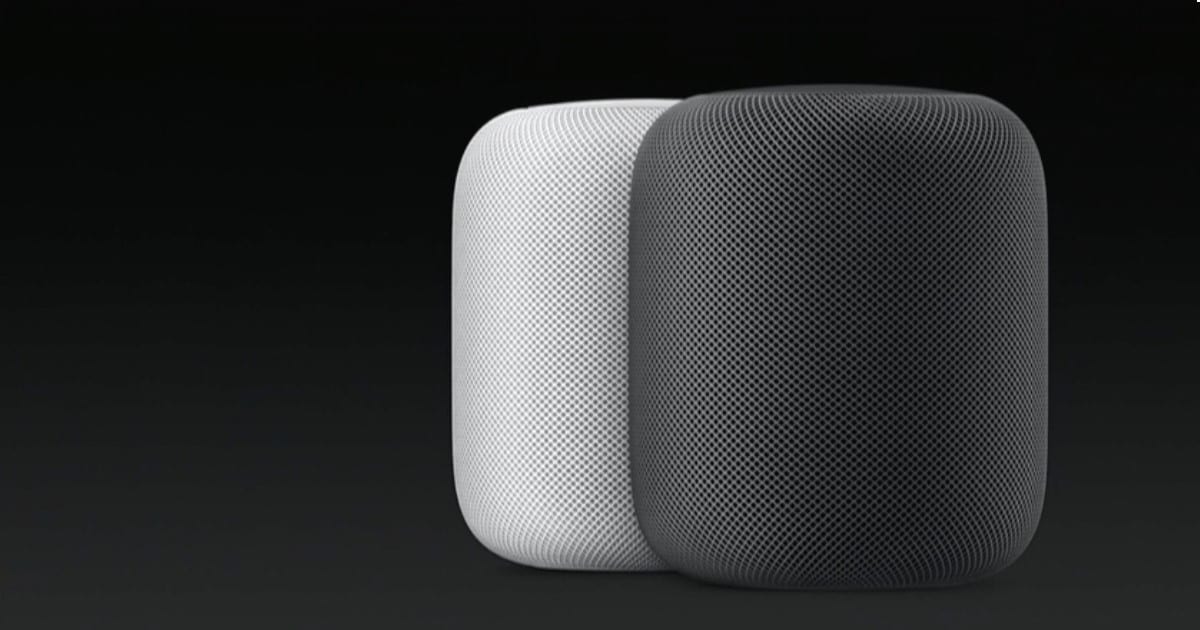
How HomePod and Siri begin to interface to our home and our work will tell us something about our future.
I keep seeing articles that say either 1) AI and robots will put us all out of work, and 2) Humans and robots will co-exist and humans will simply escalate to a new level human-machine interface in mid-21st century jobs. So which is it?
What concerns me is that so many of the jobs humans do nowadays are ripe for replacement by AIs that will either be disembodied or placed in robots. That’s because companies see immediate cost-saving benefits. This raises questions for me.
- Can our education systems and our socio-economics react fast enough to truly elevate human interactions with machines to an unprecedented level?
- Can societal structure be revised to provide basic human needs at lower cost so that we can live a Star Trek-like future?
- Will the values of companies like Apple dictate this evolution, or will basic human greed overrule ethical concerns?
It could well be that AI assistants in their current infancy can be leveraged by smart humans to achieve new levels of achievement and productivity. That meme might propel the designers of AIs, like Apple, to develop them along specific lines that are favorable to human partnership and intellectual evolution.
The second article I’ve linked to below ponders that notion:
This could result in societal changes of greater freedom of location and a basic income. In a way, the Automation Age may be an enhanced return to the hunter/gatherer period of humanity where basic needs were provided, originally by nature, in the future by machines. Except in the Automation Age, our purpose will be to explore what it means to be human instead of simply survive.
On the other hand, if there are overwhelming incentives to squeeze the human out of the loop, then our own evolution will be stunted. It all depends on the economics, in the short term, of designing AIs to partner with humans instead of going it alone.
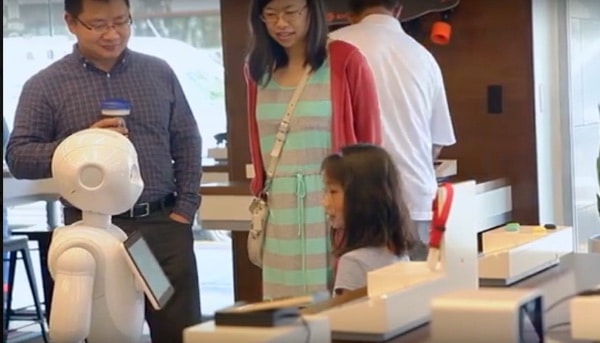
Pepper. Image credit: Soft Bank Robotics. Partner or replacement?
Anyway, as I mentioned above, here are two articles that explore the issues.
- Robots and humans can coexist. There is no ‘jobless future’ after all
- Machines Taking Jobs: Why This Time Is Different
Along those lines, we can get a early picture of how AI will interact with us in the future by looking at the current state-of-the-art. That is, Siri, Alexa and Cortana. Here again, the ethics of privacy vs. corporate intrusion (and control) will play out. Fast Company ponders: “To Win The AI Assistant Wars, Apple Is Melding Siri With Its Other Services.”
In summary, if the values that Apple instills in Siri make it non-competitive or slow down its development, how will Apple react? Can Apple turn Siri into such a compelling AI that it can shrug off potentially less ethical competitors? How will Apple market that strategy? Is Apple even thinking about these implications? My guess is yes.
Next Page: The News Debris For The Week Of August 14th. Another Apple blockbuster movie deal.
Page 2 – News Debris For The Week Of August 14th
An Apple Blockbuster Movie Deal
There are reports that Apple has trying to work a deal to bring theatrical movie rentals to Apple TV as soon as 17 days after debut—for a hefty US$50. No deal has yet been struck according to Bloomberg: “Hollywood, Apple Said to Mull Rental Plan, Defying Theaters.”
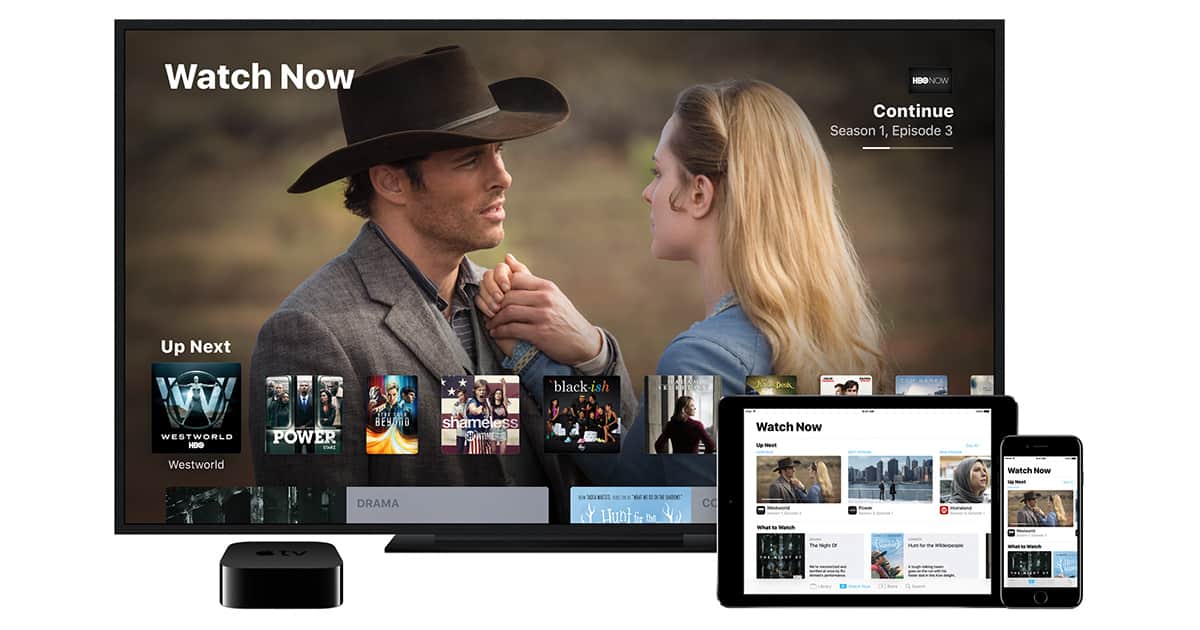
Will movie theaters go the way of outdoor drive-ins?
The dynamics are interesting. Declining DVD sales have driven the studios to ponder new revenue streams, but the ever present concern about upsetting the theater owners remains. How shall the studios juggle their revenue streams, remain on good terms with partners and sustain growth? Bloomberg notes:
Some of the biggest proponents, including Warner Bros. and Universal Pictures, are pressing on in talks with Apple Inc. and Comcast Corp. on ways to push ahead with the project even without theater chains, the people said. After months of negotiations, the two sides have been unable to arrive at a mutually beneficial way to create a $30 to $50 premium movie-download product.
Again, while no deal has been struck, this article is full of tidbits about how the industry is thinking as well as what Apple’s been up to.
We haven’t heard the last of schemes like this because the studios are keen to connect directly with customers, leverage the 4K revolution, and develop a new, enduring revenue stream. One scheme, according to Bloomberg, is that theater owners would be compensated for lost revenue over a 10 year period. Just how well that would work remains a big question.
Will movie theaters survive this almost certain initiative? Can the sharing revenue really work? Are there new things theaters can offer to make the experience more compelling? Currently, the plusses are the big screen and big sound experience, the social experience, food and, in some cases, alcoholic beverages. But disruptions by inconsiderate viewers, mobile phone users, and untidy conditions can ruin the experience.
Only time will tell.
More Debris
• Speaking of streaming TV, the number of streaming services keeps growing, and keeping track of them and their features is more and more difficult. Fortunately, Jeff Dunn and BI has put together a comparison to help us all out. “There are 6 major services that let you stream live TV over the internet — here’s how they compare.”
• The always insightful Dan Moren at Macworld does a good job of exploring the technical options and issues for an Apple Watch Series 3 with (rumored) LTE support. “The pros and cons of a cellular Apple Watch.”

Surprise! It’s also a phone! (Maybe.)
• While I’m on the subject of corporate omniscience and intrusion, (page 1), see: “How to see all the terrifying things Google knows about you.”
• Have you been thinking that, with iOS 11, the iPad may be the only computer you may need? Here’s another, but very good, article that conducts the ongoing key experiment for you. “I Used the New 10.5-Inch iPad Pro for a Month Instead of a MacBook. Here’s What I Learned.”
• I read this article once and realized that I’m going to have to read it at least two more times to internalize the facts. I”m referring to USB-C, cable lengths and protocols that are transported. It sounds pretty geeky, and it is. But given Apple’s (correct) decision to forge on with USB-C, it seems that this tutorial is a good one to both bookmark and read again from time to time. Must reading, actually. “PSA: Thunderbolt 3 cables longer than 0.5m generally don’t support USB 3.1 speeds.”
• We all know the difference between 1080p and 1080i video, right? In case you need a refresher, this very easy to read and visually oriented article explains the difference and why it matters. “Why Netflix videos look so much better than cable TV.”
That article has a focus on cable. I should note that DirecTV has had the capability of delivering 1080p video for some time now. Moreover, if your AV receiver or HDTV can de-interlace 1080i, there isn’t much of an issue. Still, the BI article is nicely written, just not comprehensive.
For a broader, more techical introduction to 4K streaming, I recommend this article from back in June. “How To Stream Netflix in 4K.” With H.265/HEVC, streamed 4K/UHD content on the internet will be 2160p. But it’ll be highly compressed to manage a decent picture at, say, 15 Mbps into the home.
• Finally, I bring this up because of the differences in corporate culture between Apple and HP. Because it’s been ceded that Apple will do very well with AR, how is a company like HP to compete? The answer lies in AR catering to fields that Apple isn’t strong in, namely science. See: “HP enlists creative and scientific community to help imagine life on Mars.” Projects like this won’t make a dent in Apple’s AR success, but they will reinforce HP’s legitimacy with science customers and provide a continuing technical contrast between the two companies.
_____________________________
Particle Debris is a generally a mix of John Martellaro’s observations and opinions about a standout event or article of the week (preamble on page one) followed on page two by a discussion of articles that didn’t make the TMO headlines, the technical news debris. The column is published most every Friday except for holiday weekends.
0 Response to "Apple’s Siri Provides Clues About Whether Robots Will Put Us All Out of Work"
Post a Comment