A Bezel-less iPhone 8 Will Change How Photos Look
Yesterday, I was talking to myself (not unusual). I was reading articles about the new Essential Phone Android device, as well as the latest iPhone 8 mockups. I noticed something in each of the images: the Essential phone has a bezel-less screen that goes up past the front-facing camera, which gives it a black notch. The latest iPhone 8 render from iDrop News shows an even bigger notch at the top of the phone. That caused me to ponder the future of iPhoneography and the iOS user interface.
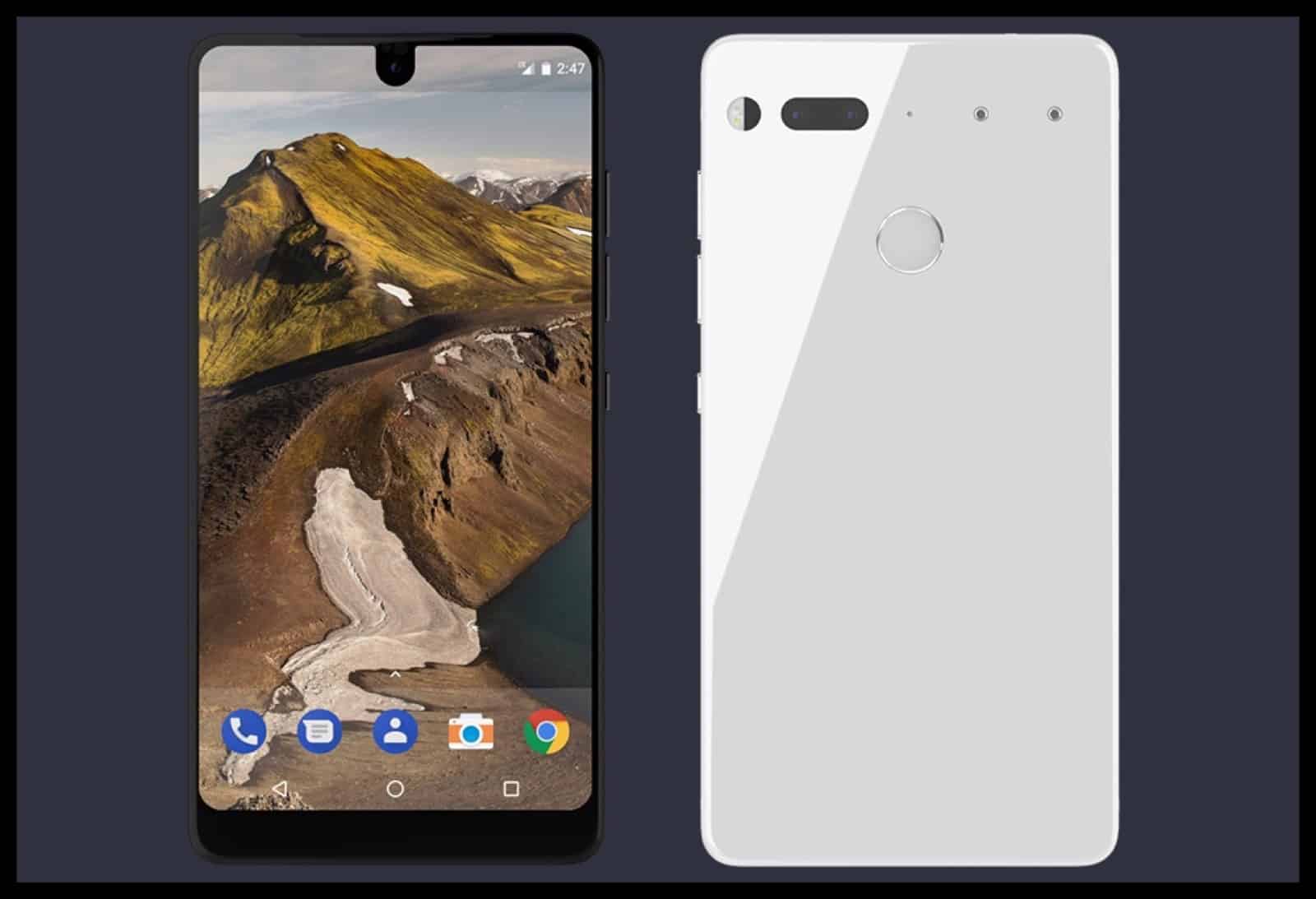
The Essential Phone. Image credit: DroidLife.
The Black Notch
That black notch at the top of the Essential Phone bugs the hell out of me. It’s a scar on an otherwise decent-looking phone. The iPhone 8 notch in some mockups is even wider and more grotesque. It’s a glaring issue that makes my brain feel itchy.
It’s not just subjective though. When you’re scrolling through your camera roll, there would be a notch at the top that covers part of the photo. And what if you’re watching a movie? The screen has a permanent blind spot. Your phone has a Black Spot that would make a pirate spit at your feet.

The latest iPhone 8 mockup. Image credit: iDrop News.
4:3 Photo Ratio
The question I asked myself was this: will iPhone 8 change how photos are displayed? Currently, photos you take with an iPhone are captured with a 4:3 aspect ratio. An aspect ratio is the proportion of the width to the height of an image or screen. Photos with a 4:3 ratio are short and wide.
When you look at 4:3 photos in your camera roll, there is a black space at the top and bottom of the photo. This makes sense, and it’s the same reason some professional photographers upload photos to Instagram with a white border. As an artist, you want to control how your art is displayed. But as a user, the border is still annoying.
The 4:3 aspect ratio is commonly used by standard point-and-shoot cameras that use the Four Thirds and Micro Four Thirds systems, and also some medium format cameras. Camera manufacturers chose this format to match the format of 4:3 computer monitors.
When I was looking at iPhone 8 renders, the screen looks long and skinny without bezels. It looks like it would favor a different aspect ratio than current iPhones.
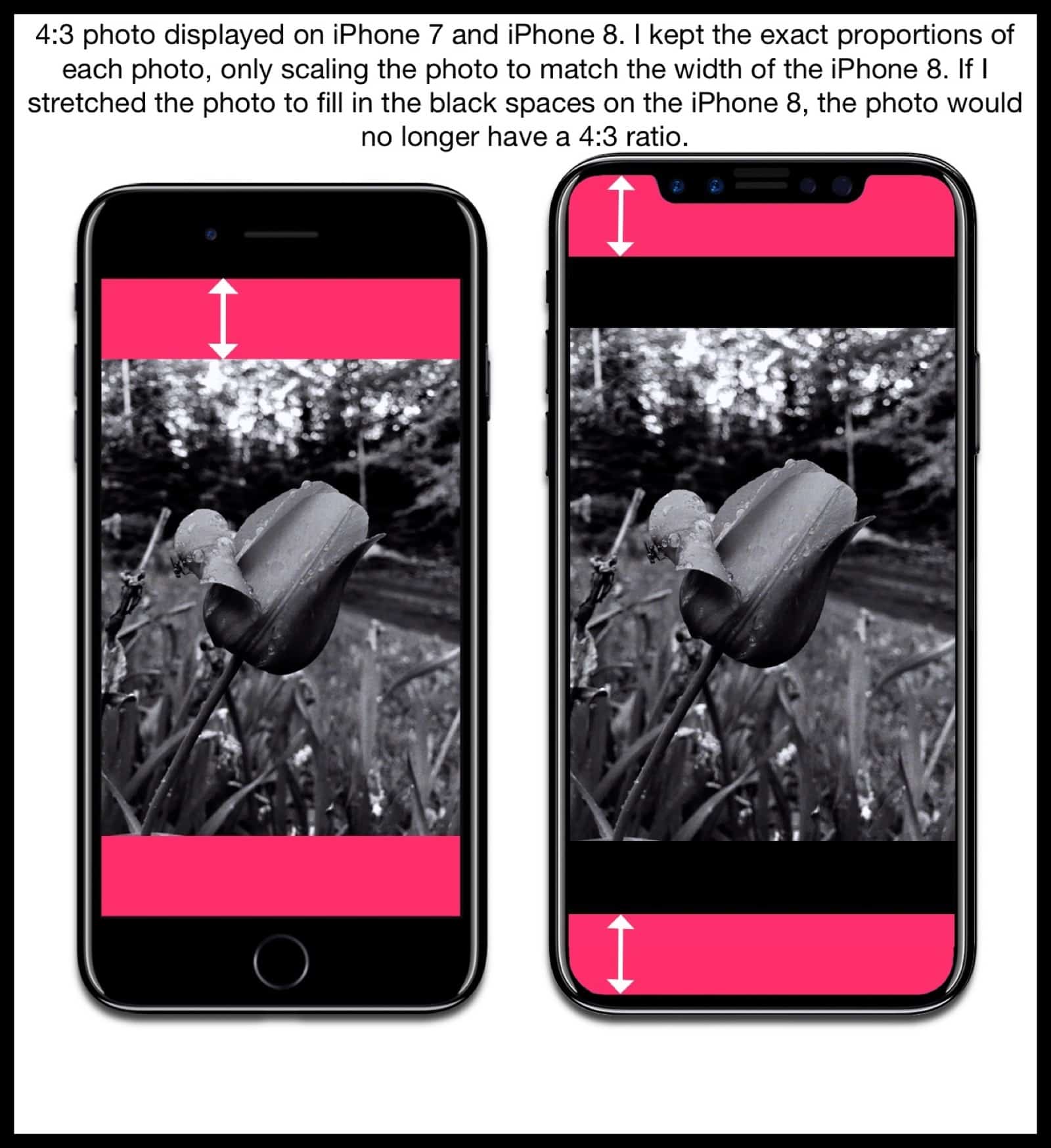
Comparing how 4:3 aspect ratios are displayed.
Next: The 16:9 Photo Ratio and The Non-Prisoner’s Dilemma
Page 2 – The 16:9 Photo Ratio and The Non-Prisoner’s Dilemma
16:9 Photo Ratio
The 16:9 aspect ratio is based on film cameras with an APS sensor. It’s known as the APS-H format, and the H stands for “High Definition.” If you’re a filmmaker, you’re familiar with the 16:9 ratio because it’s meant for wide, HD television screens. When you record a video with your iPhone, it will be captured in the 16:9 aspect ratio. Videos shot in the 16:9 aspect ratio are meant to be viewed in landscape mode.
In this way, your iPhone becomes a wide screen television, although huge bezels are still present when watching movies. I also noticed that many Android phones shoot 16:9 photos. I’ve used several Android phones in the past, and the photos I took were always in this aspect ratio. It’s easy to tell if someone sends you a photo whether it was taken on an iPhone or Android phone, because of the different aspect ratios (unless the iPhone user cropped the photo).
Right now, the iPhone has a split personality. Photos are shot in 4:3, and videos are shot in 16:9. When you take a screenshot, it’s captured in 16:9. My question was whether the iPhone 8 would switch to 16:9 photography. These photos would look better on a long, skinny screen because the photos themselves are long and skinny.
Keep in mind that the aspect ratio of the physical iPhone screen is 16:9. I’m just referring to how photos are captured and displayed in 4:3. Because of apps like Snapchat and Periscope, people are shooting more vertical videos and photos. On a phone with a 16:9 ratio that shoots 16:9 photos, the photos would look as equally good as the videos, at least when you hold the phone vertically.
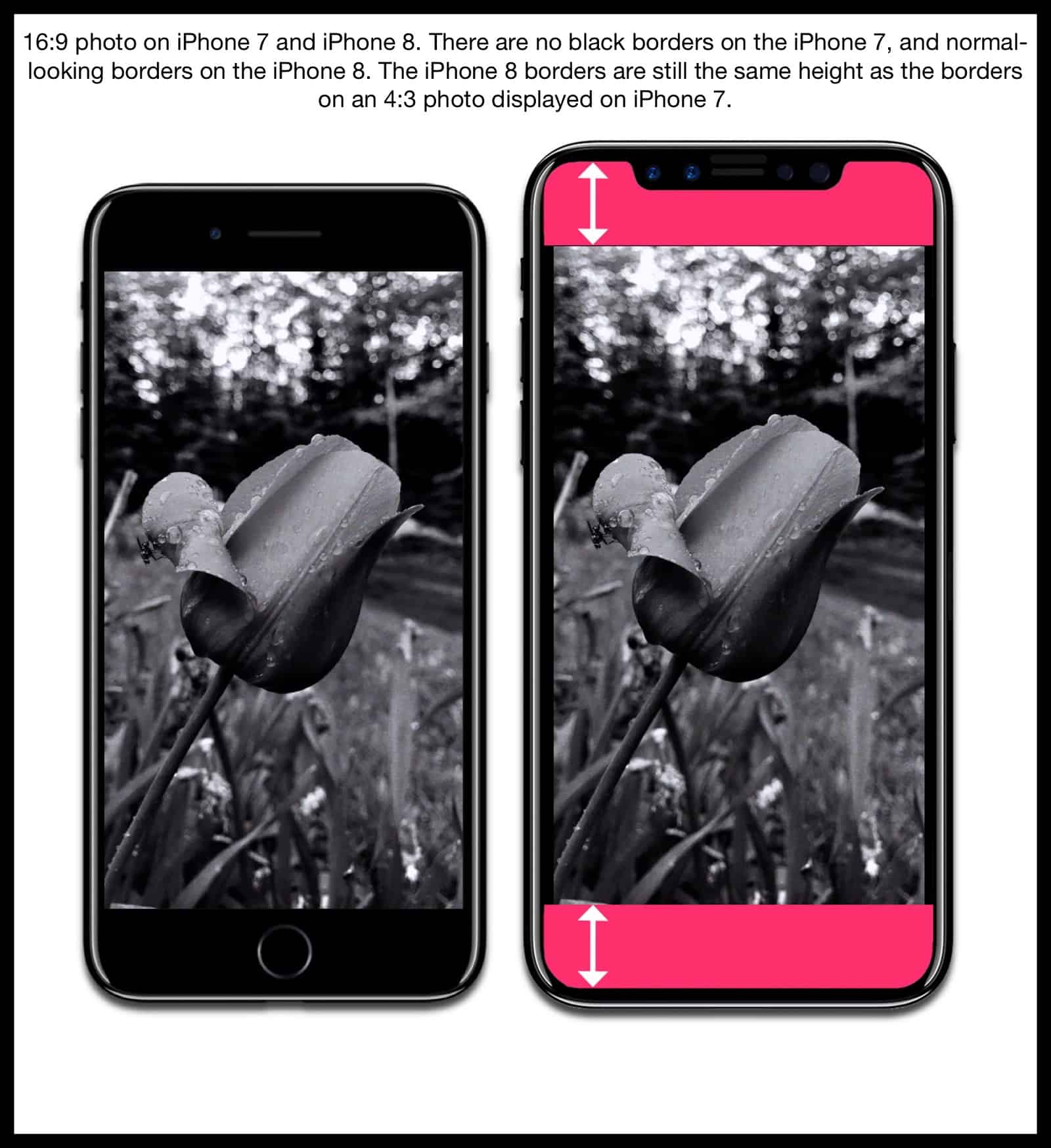
Comparing how 16:9 photos are displayed.
The Non-Prisoner’s Dilemma
Now, here’s the dilemma. On the iPhone 8, the black notch at the top of the phone would cover up a photo with the 16:9 aspect ratio. But the notch would seamlessly blend in with the black space at the top of a 4:3 photo. After all, that’s the raison d’être of the Apple Watch OLED screen.
Because of the way OLED screens work (most iPhone 8 rumors reference OLED) there is no backlight. When you see a black area of the screen, it’s true black. It means there is literally no color/light, as opposed to the simulated black of current LED screens. The screen and the bezels blend together, creating an illusion of a bezel-less display.
But I’m also assuming that the photos would be edge to edge all the way around, like in the render. Even if the iPhone 8 does have a notch, Apple could still use the simulated black borders to keep the top and bottom separate, as I stated above. However, that still leaves a problem with watching a video, unless borders are also introduced on the sides.
Next: Final Thoughts about Photos on the iPhone 8
Page 3 – (Not) Modest Proposals for iPhone 8 Photos and Details Matter
I propose two alternatives. In an act of hubris, I created basic mockups of what I think the iPhone 8 photos should look like. Example 1 shows photos and videos displayed full screen. In Example 2, there are simulated borders on the top and bottom, to match how photos and videos are displayed on current iPhones. The pink borders represent the edge of the physical screen.

Full screen versus borders for 16:9 photos
They should be minimal, with a perfectly symmetrical notch-less screen. In both examples, photos are displayed in the 16:9 ratio. The downside is that they look like the Samsung Galaxy S8—a good looking phone in my opinion, but one that Apple isn’t likely to copy.
The upside is that screenshots, photos, and videos are all captured and displayed in the 16:9 format. Personally, I think I prefer the 4:3 ratio, simply because there is more room on the sides for the subject. Photos in the 16:9 ratio seem cramped when you shoot in Portrait Mode. But I’m willing to make this sacrifice if it means that photos don’t look tiny on a longer screen.
It’s a tough choice.
On one hand, I favor Example 1. The reasoning is simple: As I said, those pink top and bottom borders are just a reference for where the screen ends and the bezels begin. In reality, those areas are black. Example 2 looks exactly like an iPhone 7, just with thinner bezels. But with full screen photos that emphasize the curved edges of the screen, you know you’re holding a new iPhone, which is the whole point.
On the other hand, I favor Example 2. The reasoning is again simple: I’m an amateur photographer and I can’t abide having the edges of my photos cut off. When I’m editing, I need to see every single millimeter of the photo.

How full screen apps could look on an iPhone 8
Additionally, if the iPhone 8 was like Example 1, every user interface would be curved and full screen. Designers might have to rethink their apps to make sure the curves aren’t covering up anything important. Entire websites in Safari would be curved, and Apple would change how the entire internet is presented. You can see examples of the curved interfaces above.
In iOS 10, Apple introduced certain curved elements, such as the Control Center, share sheet and other UI dialogs. I bet they would look nice on a curved display, where the UI curves match perfectly with the screen curves. Was this a sign of things to come? Will we see more curves in iOS 11? If so, that will be a big hint of what to expect for iPhone 8.
Details Matter
One of the reasons I stay in the Apple ecosystem is because the company cares about the small details. I spent hours agonizing over these mockups, and I realized that bezels and borders are more important than I first thought. Apple’s designers and engineers spend even more time on things like this because they know details matter.
In contrast, Android manufacturers tend to throw everything at the wall to see what sticks. I don’t say this to disparage, but I used to be an Android user and I’ve seen first hand how little the competition cares about the details.
Regardless of which aspect ratio the iPhone 8 will use, I’m confident Apple will build something great. More importantly, all this stuff has me excited about Apple’s upcoming products.
0 Response to "A Bezel-less iPhone 8 Will Change How Photos Look"
Post a Comment